
Retail Tech: Ensuring Seamless POS Integrations
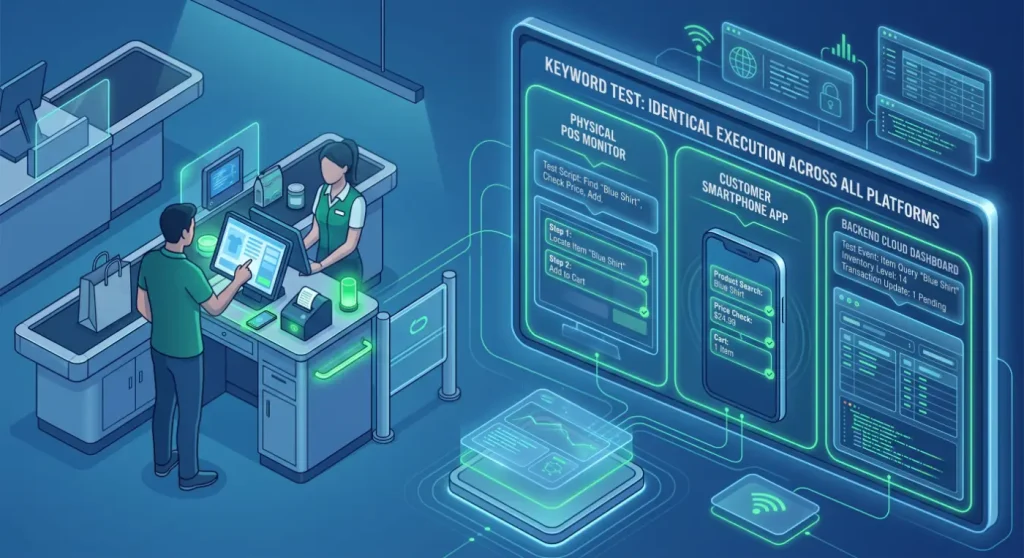
Retail technology ecosystems operate at an intense, continuous pace. Modern point-of-sale (POS) systems no longer function as isolated cash registers. These complex platforms act as central hubs connecting real-time inventory databases, loyalty program engines, digital payment gateways, and e-commerce platforms. A minor software bug in a standard corporate app might delay an internal report. A processing error in a retail point-of-sale integration can halt live store checkouts, erase transaction histories, and cause immediate revenue loss during peak shopping hours. Engineering teams in the retail technology sector must deliver rapid feature upgrades while maintaining absolute transactional reliability. Relying on slow, outdated validation routines creates severe operational bottlenecks. Implementing a comprehensive, automated quality assurance strategy ensures seamless point-of-sale integration and protects public brand reputation. The Hidden Complexity of Modern Retail Infrastructure Modern retail environments rely on highly distributed software frameworks. A single customer checkout transaction triggers multiple background system-to-system communications. The point-of-sale (POS) terminal must update local inventory levels, notify centralized enterprise resource planning software, apply localized sales tax rules, and validate mobile loyalty reward points simultaneously. This deep interconnectedness introduces immense engineering risk during software updates. Modifying a single database field or changing an API payload configuration can trigger unexpected failures across unrelated retail workflows. Furthermore, manual testing practices cannot keep pace with fast cloud deployments. Relying on human testers to manually ring up test purchases across physical registers slows down feedback loops and delays critical bug remediation. Technical Friction Points in POS Integration Lifecycles Engineering squads encounter major structural friction across three main retail application boundaries. Each area requires distinct validation mechanics to preserve data accuracy. Fragmented Hardware and Peripheral Communication Point-of-sale software must interact continuously with varied physical hardware devices. These devices include barcode scanners, receipt printers, EMV chip card readers, and biometric cash drawers. Developing automated tests that simulate physical hardware interactions presents a unique challenge. Hardcoded scripts often fail when minor firmware changes alter the communication signals sent across internal terminal connections. Synchronizing Offline and Online Data Large retail chains require retail technology platforms to support offline checkout capabilities. If a physical store encounters a sudden internet network outage, local registers must continue processing customer sales. The software saves these transactions locally and synchronizes them with central cloud servers once connections return. Validating this synchronization process demands precise testing to prevent double-charging or inventory mismatches. Varied Third-Party Payment Gateways Point-of-sale setups connect with multiple external payment processing providers to handle credit card, mobile wallet, and buy-now-pay-later transactions. These external networks modify their security encryption keys and API structures frequently. Testing teams must continuously confirm that local checkout workflows remain compatible with external banking gateways without exposing sensitive financial records. To review comprehensive international regulations on managing secure electronic transactions and message protocols, consult the World Wide Web Consortium data specifications. The Downside of Code-Heavy Test Automation Repositories Many retail brands try to overcome integration challenges by hiring teams of software developers to build custom automated scripts. Testing squads create massive automation libraries using raw open-source automation libraries. While this approach can achieve initial validation success, the long-term total cost of upkeep escalates rapidly as store applications grow. Because retail point-of-sale interfaces adapt frequently to support promotional events or temporary seasonal designs, the surface elements shift constantly. Code-heavy automation scripts are highly sensitive to these minor front-end variations. A simple class modification on a touch-screen button can break dozens of linear validation scripts simultaneously. The quality assurance department becomes trapped in a reactive cycle of script remediation. Engineers spend most of their working hours repairing broken locator codes rather than expanding test scenarios. Additionally, code-heavy automation setups exclude non-technical retail specialists like store managers and business analysts. These domain experts possess deep knowledge of checkout workflows but cannot write software code. This technical barrier slows down delivery and creates major development bottlenecks. Explaining the Mechanics of Plain-Language Keyword Frameworks A Keyword-Driven testing framework resolves retail engineering bottlenecks by completely decoupling functional test design from underlying code execution. Instead of displaying complex lines of code, a test case appears as a logical sequence of human-readable, reusable business actions. The operational pipeline splits the automated testing workload into two separate working tiers. The presentation layer displays high-level Keywords using plain retail business actions. Non-technical staff combine terms like “Scan Item,” “Apply Holiday Coupon,” or “Authorize Cash Payment” to build realistic end-to-end checkout scenarios. The implementation layer operates entirely beneath the surface of the plain-language Keywords. Technical automation engineers develop the functional execution script for each Keyword exactly once. This hidden code maps the Keyword directly to specific terminal elements, point-of-sale drivers, database tables, or backend API components. How Keywords Simplify Cross-Platform Retail Configurations The primary benefit of an advanced Keyword architecture is its ability to utilize the same business concepts across entirely different operating channels. The framework abstracts platform-specific driver code beneath a unified user interface layer. The core validation path relies on a centralized business Keyword layer to coordinate diverse point-of-sale channels simultaneously. At the top of the hierarchy, a single plain-language Keyword such as “Process Return” acts as the primary configuration reference. The automation engine automatically translates this single instruction into distinct technical pathways based on the targeted channel. It routes the action to a physical terminal driver to simulate an in-store register lookup, a mobile app driver to test a curbside pickup option, and a web browser driver to validate an online e-commerce refund portal. Consider an enterprise customer journey where a shopper buys a product online and returns it at a brick-and-mortar retail location. In a traditional scripting model, engineers must write separate code files using completely different automation tools to check both environments. With a unified Keyword architecture, the test designer uses the same Keyword dictionary across all channels. The central engine dynamically coordinates the necessary driver libraries based on the active channel. If an infrastructure developer modifies a database tag or a payment API schema, the change remains contained. Engineers update the code inside that single Keyword definition, and the entire omni-channel testing
Scale Test Automation Without Adding Headcount

Enterprise software engineering departments face a persistent resource challenge. Business demands require software release cycles to accelerate constantly. Development teams must deliver new features, security updates, and performance patches multiple times per week. To protect application stability, quality assurance coverage must expand at an identical pace. The traditional response to this challenge is adding more headcount. Organizations hire teams of specialized software automation engineers to write code-heavy test scripts. This methodology fails to scale effectively over time. As the codebase grows, the cost of specialized technical engineering talent rises quickly, straining corporate operational budgets. Scaling your quality footprint does not require an endless cycle of hiring. The solution lies in shifting your testing architecture away from code-dependent automation. Implementing an advanced Keyword Framework maximizes the efficiency of your current QA staff and unlocks rapid, sustainable release velocities. The Staffing Traps of Traditional Script-Based Automation Traditional test automation relies on programmatic scripting. Specialized automation engineers build extensive libraries of unique scripts using code-heavy testing frameworks. Early in a project lifecycle, this model can appear highly effective. Test suites run quickly, and early bug detection rates improve. As the enterprise application matures, this coding approach hits a severe bottleneck. Web interfaces change, database schemas shift, and backend microservice payloads adapt to meet user needs. These common modifications cause fragile, linear test scripts to break simultaneously. Specialized engineers must then step away from building new automation to spend their working hours debugging broken object paths and locator scripts. This reactive cycle limits team output. The technical headcount becomes fully consumed by script upkeep, preventing the expansion of new test coverage. To make matters worse, code-heavy frameworks completely isolate non-technical team members. Manual testers, business analysts, and product managers possess deep domain knowledge but cannot write script code. This technical barrier forces a small group of specialized engineers to handle all quality verification, creating an expensive staffing bottleneck. Breaking Down the Architecture of a Keyword Framework A Keyword-Driven automation architecture addresses the headcount bottleneck by completely decoupling functional test design from underlying code execution. Instead of displaying complex lines of code, a test case appears as a logical sequence of human-readable, reusable actions. The operational pipeline splits the automated testing workload into two separate working tiers. The presentation layer displays high-level Keywords using plain business terms. Non-technical staff combine terms like “Open Savings Account,” “Verify Balance Transfer,” or “Generate Monthly Statement” to build realistic end-to-end checkout scenarios. The implementation layer operates entirely beneath the surface of the plain-language Keywords. Technical automation engineers develop the functional execution script for each Keyword exactly once. This hidden code maps the Keyword directly to specific terminal elements, page drivers, database tables, or backend API components. Why Patented Keyword Frameworks Scale Without Hiring When evaluated at enterprise scale, Keyword-driven testing framework architectures remove the maintenance burdens that restrict traditional scripting platforms. Choosing a proven framework maximizes your existing personnel investments instead of trapping your team in a low-code software silo. The structural advantages of an advanced framework are realized through the SDT advantage, which delivers a roles-based model built explicitly for long-term scalability. This specialized engine removes execution friction while ensuring the entire testing matrix remains highly maintainable as software systems evolve. Slashing Upkeep via Structural Modularization When an application element or interface tag shifts during an update, a Keyword framework contains the modification to a single point of change. Technical engineers adjust the underlying code within the single affected Keyword component. The update instantly copies across every test path using that action throughout the entire organization. This structural modularization removes the need to rewrite hundreds of individual test cases manually. It drops your long-term maintenance overhead by fifty percent, allowing your current staff to focus on expanding test coverage. Unified Full-Stack Verification Options Unlike frontend-restricted low-code tools, a robust Keyword framework can validate the full enterprise technology stack. The same plain-language Keyword model scales seamlessly to test desktop interfaces, legacy mainframes, responsive web designs, mobile applications, and complex backend microservices. A single end-to-end Keyword test suite can verify a frontend web transaction, confirm the resulting microservice API event, and validate the final record update inside a backend relational database. Organizations can review how these unified verification processes operate at scale by reading these published enterprise case studies. Eliminating Tool Lock-In via Open Ecosystems Advanced Keyword Solutions reject restrictive, closed software setups. The patented system architecture maintains full compatibility with industry-standard, open-source testing libraries like Selenium, Robot Framework, and JMeter. This preservation protects your previous framework code and employee skillsets. Your enterprise retains complete ownership over the generated test asset library, meaning your quality infrastructure can adapt when new developer frameworks arrive. Aligning Existing Team Roles for Headcount Efficiency A Keyword Framework establishes an optimized relationship where a small core team of technical automation engineers supports a large team of domain knowledge experts. This structured cooperation ensures that both technical and business specialists contribute directly to application quality without blocking each other’s progress. The structural flow is driven by a small tier of five technical automation engineers at the foundation. This core engineering group builds and updates the underlying Keywords within the master dictionary. This unified repository feeds directly into a large tier of fifty to one hundred non-technical domain knowledge testers. These business specialists use the pre-built Keywords to design and expand comprehensive test cases using plain language, multiplying test output without adding code-heavy headcount. Technical automation engineers spend their time building high-performance Keyword Components and maintaining underlying page object definitions. They do not have to write individual test scenarios. Concurrently, business analysts and domain experts use the plain-language Keyword dictionary to construct hundreds of unique testing cases. This roles-based structure allows a small group of automation engineers to easily support a large group of domain testers, scaling test coverage without an exponential increase in technical headcount. Integrating Keyword Testing Across the Delivery Pipeline To maximize headcount efficiency, automated test libraries must connect directly with your continuous integration and continuous deployment pipelines. Automated routines should validate software
Regulatory Compliance: How SDT Ensures Your Audit Trail
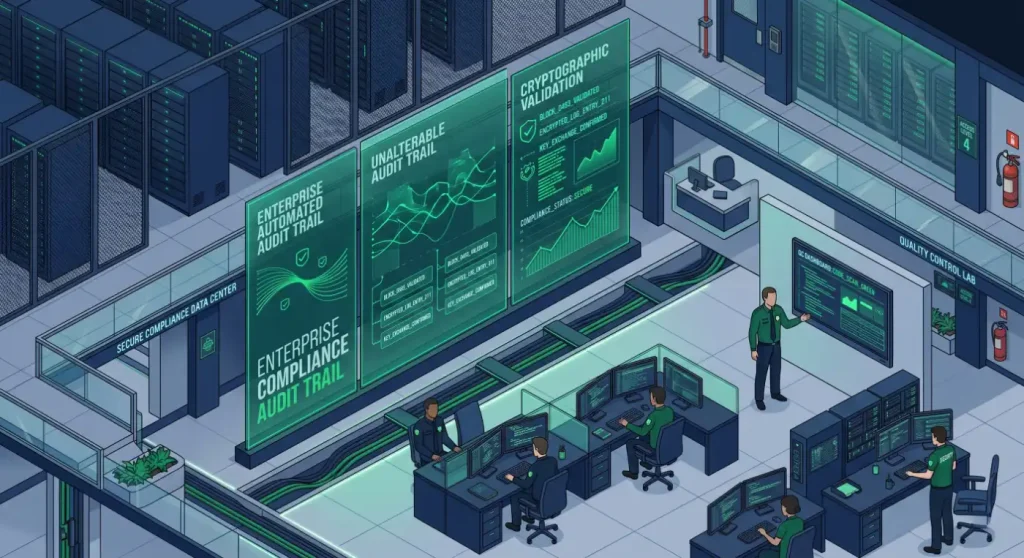
Enterprise technology executives face unprecedented scrutiny from regulatory bodies across the globe. Corporate systems no longer just handle simple business operations. Modern platforms process highly classified intelligence information, sensitive electronic health records, and complex international financial transactions. A minor data validation error in a standard commercial application can lead to a frustrating user experience. An unverified software change in a heavily regulated market can trigger catastrophic system downtime, multimillion-dollar non-compliance fines, and immediate brand damage. Engineering teams operating under strict legal mandates must balance rapid cloud deployment speeds with absolute operational accountability. Traditional manual testing routines create severe delivery bottlenecks and lack the transparency needed to satisfy corporate compliance auditors. Implementing an advanced automated validation framework protects operational data and builds an unalterable audit history for every software change. The Compounding Rigor of Global IT Standards Corporate software delivery functions under demanding, overlapping regulatory structures. Financial transaction networks must demonstrate strict adherence to internal control validation metrics and secure computing standards. These comprehensive frameworks require institutions to provide definitive proof that all accounting software functions predictably, prevents unauthorized access, and maintains absolute data integrity. Concurrently, healthcare applications must enforce strict electronic record privacy mandates and data handling protocols. Software updates must undergo exhaustive verification to ensure patient data remains completely secure and encrypted across all system networks. At the same time, international data privacy laws give citizens strict control over how corporations store and utilize their personal information. Navigating these varied, complex compliance requirements leaves zero margin for technical error during production rollouts. Why Manual Quality Assurance Checks Fail Compliance Audits Traditional enterprise IT projects often run into major roadblocks during regulatory inspections due to a reliance on manual validation methods. Having human testers manually step through complex legal compliance checklists creates exceptionally long release cycles. These manual efforts slow down developer feedback loops and make it difficult for teams to discover and remediate code vulnerabilities early. Human-driven checks are naturally prone to oversight, making it easy to miss subtle security gaps. Furthermore, manual testing processes completely fail to generate the rigorous documentation required by institutional inspectors. An auditor will not accept a manual tester’s spreadsheet or an informal email thread as valid proof of comprehensive system verification. Gathering historical testing logs from disconnected manual environments requires weeks of administrative effort from engineering teams. This reactive approach takes valuable focus away from building new enterprise features and updating system infrastructure. Compliance Requirements Across Modern Architecture Models Enterprise technology providers typically leverage three primary architectural models to host and scale their heavily regulated platforms. Each structure requires a specialized testing strategy to satisfy regulatory auditors. Highly Secure Cloud Architectures Cloud architectures shift legacy on-premise computing setups into managed corporate cloud infrastructures. Engineers configure application environments to utilize automated load balancing, strict identity validation gateways, and secure container structures. Testing teams operating within cloud environments focus heavily on infrastructure access configurations, data encryption pathways, and baseline network performance metrics. Distributed Microservice Ecosystems Microservice architectures break down large monolithic corporate platforms into smaller, specialized service components. Individual microservices communicate via web API messaging channels to process distinct tasks like verifying user identities or parsing financial ledgers. This model introduces web communication pathways that require continuous validation. Automated test suites must confirm that individual microservices exchange regulated data reliably without exposing communication endpoints to external security breaches. Complex Cross-Network Legacy Bridges Cross-network bridges link legacy on-premise mainframe hardware with modern cloud-based web and mobile applications. These mixed ecosystems process massive flows of sensitive public data across disparate corporate networks. The validation strategy centers tightly on end-to-end data fidelity, transaction logging latency, and secure schema mapping. Testers make sure that corporate records remain completely intact across every infrastructure connection point. To learn more about modern global definitions for distributed web data structures and secure formatting standards, consult the World Wide Web Consortium data specifications. Structuring an Automated Compliance Validation Pipeline Passing a strict IT audit while maintaining fast feature deployment velocities requires embedding automated validation routines into every tier of the delivery pipeline. This continuous compliance framework tracks application behavior from the first line of code down to active production operations. The regulated software delivery pipeline uses a highly secure progression across isolated network zones to guard data integrity. System modifications initiate in local developer sandboxes before merging into central automated continuous integration servers. The software build then moves through staging and pre-production networks to run automated compliance checks before finally deploying to live enterprise infrastructure. Transforming Regulations into Code Requirements The verification process begins by translating dense legal regulations into distinct automated test conditions before developers write feature code. Product managers and compliance analysts outline exact processing rules for every new application component. This early integration prevents development teams from building software logic that violates statutory data mandates. It aligns the entire organization around compliance objectives from day one. Establishing Unalterable Performance Benchmarks Teams must create historical performance benchmarks using existing stable software platforms. Automated test suites record exactly how systems manage memory usage, process database entries, and handle network traffic under extreme stress. This data serves as a dependable baseline for evaluating all subsequent software modifications. Engineers execute these exact test suites against updated builds to catch unexpected calculation variances or performance drops before deployment. Running Continuous Vulnerability and Policy Scans Continuous testing routines run automated security validation alongside functional software checks. The delivery pipeline automatically screens third-party code packages for known vulnerabilities during the compilation process. It checks cloud infrastructure definitions for weak encryption setups, unsecure ports, or excessive user access privileges. This proactive approach identifies compliance risks early, preventing unstable code from advancing toward live networks. For complete research on modern software reliability engineering models and systems validation protocols, consult the IEEE computer society software engineering guidelines. Solving Audit Documentation with Keyword Testing Enterprise development projects in regulated markets frequently stall due to the massive burden of test automation maintenance. In complex corporate applications, user interfaces, security patches, and database tags change constantly to match new compliance updates. Traditional code-heavy
How SDT Shortens Time-to-Market for New Product Launches
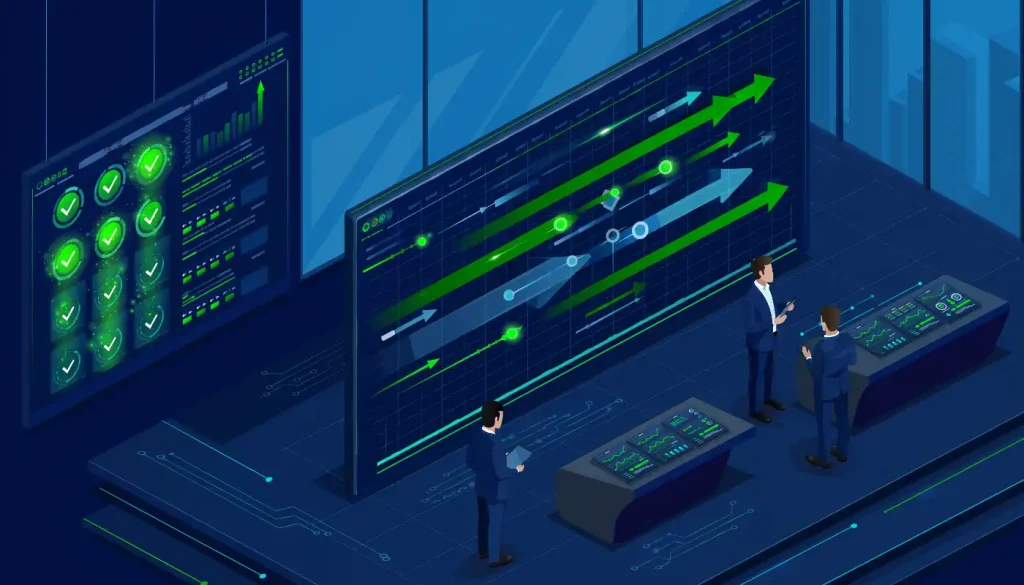
Enterprise software organizations operate in an unforgiving commercial marketplace. The window of opportunity for launching new products shrinks continually. Competitors look for every chance to capture market share by shipping features faster. Consequently, business executives place intense pressure on engineering teams to accelerate product timelines. Meeting these compressed deadlines introduces severe operational challenges. Hurrying through development phases regularly results in hidden logic flaws and security integration gaps. If a company skips comprehensive validation to hit a launch date, buggy software hits production. This outcome leads to negative user feedback, system instability, and immediate brand damage. The primary obstacle to faster product releases is traditional, script-based QA bottlenecks. Engineering teams spend weeks writing and debugging fragile automated test logic before launch. Shifting toward a centralized, plain-language framework completely resolves this deployment friction. Implementing a modern testing approach removes development barriers and directly shortens your time-to-market. The Staffing Hurdles of Linear Test Automation Scripts Traditional test automation practices frequently create significant development delays. Engineering teams spend substantial time writing unique custom scripts for every single new feature. Early in a greenfield product lifecycle, this code-heavy approach can seem highly effective. Test scripts run fast, and developers receive immediate feedback on localized builds. The system breaks down as the application expands toward full commercial readiness. Front-end user interfaces transform dynamically based on design iterations. Database schemas adapt to handle complex transactional metrics, and API payloads evolve to connect with external web services. These common software modifications cause linear, code-heavy automation tests to break simultaneously. Specialized automation developers get trapped in an endless cycle of script maintenance. Testing specialists spend seventy percent of their working hours fixing broken locator values rather than validating new feature paths. Furthermore, code-heavy frameworks isolate non-technical business professionals. Product managers and domain specialists understand real-world customer habits perfectly but cannot write test scripts. This technical barrier forces a small group of specialized engineers to handle all quality verification, creating an expensive launch bottleneck. The Strategic Importance of Launching Software Faster Shipping new software platforms ahead of competitors provides clear commercial advantages. Early market entry allows your enterprise to establish brand authority and secure customer loyalty before alternatives arrive. Feedback loops from early adopters provide invaluable data for refining future product updates. Delaying a product launch carries high financial costs. Engineering payroll continues to consume capital while the product generates zero market revenue. Partners lose enthusiasm, and sales teams miss critical seasonal purchasing windows. Maximizing your market impact requires transforming your release pipelines. Automated quality gates must process code updates quickly and reliably. Removing manual intervention from the release process allows businesses to capitalize on immediate market opportunities. Technical Friction Points in Greenfield Product Lifecycles Engineering squads encounter major structural validation friction across three core application boundaries during a fresh product launch. Each operating tier requires entirely different testing mechanics to preserve system stability. Fragmented Responsive Web Frameworks Modern web applications must scale dynamically across an endless matrix of browsers and screen sizes. Front-end developers use modern JavaScript frameworks to build highly interactive user interfaces. These fluid layouts cause major instability for traditional automation scripts. Hardcoded page element paths break frequently when code changes shift visual positions or update hidden document structures. Varied Native Mobile Environments Mobile validation requires handling different device configurations, touch gesture mechanics, and hardware limitations. Automated scripts must interact reliably with native device buttons, internal file directories, and external notifications. Managing these distinct operational loops across both main mobile operating systems typically demands specialized engineering skills. The separation slows down feature releases and splits testing coverage. Complex Enterprise Architecture Integrations New products must connect with existing back-office software stacks, legacy mainframes, and external payment systems. These core business engines do not use standard web tags or mobile screen coordinates. Interacting with these applications requires specialized desktop automation drivers. This technical division makes it difficult to create a unified end-to-end testing run that spans across both web and legacy infrastructure. To learn more about modern global definitions for cross-platform software performance, consult the World Wide Web Consortium web application specifications. Explaining the Mechanics of Plain-Language Keyword Frameworks A Keyword-Driven Automation architecture solves launch friction by completely separating functional test design from underlying execution code. Instead of displaying complex lines of code, a test case appears as a logical sequence of human-readable, reusable business actions. The operational pipeline breaks down test building into two separate working tiers. The presentation layer displays high-level Keywords using plain business terms like “Create Consumer Profile,” “Process Invoice Item,” or “Authorize Electronic Refund.” Business analysts and manual testing staff arrange these standardized modules sequentially to build comprehensive testing paths. The implementation layer functions completely beneath the surface of the plain-language Keywords. Technical automation engineers write the underlying execution code for each Keyword just once. This hidden code maps the Keyword directly to specific application elements, database entries, or API endpoints. How Keywords Standardize Complex Testing Workflows The primary benefit of an advanced Keyword architecture is its ability to use the same business actions across completely different technical environments. The framework hides platform-specific driver code underneath a unified user experience. The core validation path relies on a centralized business Keyword layer to coordinate diverse system channels simultaneously. At the top of the hierarchy, a single plain-language Keyword such as “Process Return” acts as the primary configuration reference. The automation engine automatically translates this single instruction into distinct technical pathways based on the targeted channel. It routes the action to a physical terminal driver to simulate an in-store register lookup, a mobile app driver to test a curbside pickup option, and a web browser driver to validate an online e-commerce refund portal. Consider an enterprise customer journey where a shopper buys a product online and returns it at a brick-and-mortar retail location. In a traditional scripting model, engineers must write separate code files using completely different automation tools to check both environments. With a unified Keyword architecture, the test designer uses the same Keyword dictionary across all channels. The central engine dynamically coordinates the
Reducing Rework Costs by Shifting Testing Left

Enterprise software development organizations struggle with a costly structural problem. Engineering squads build complex features rapidly to hit tight deadlines. They push code changes down the delivery pipeline toward final production environments. However, hidden software defects often surface right before the launch date. Discovering bugs late in the lifecycle introduces immense financial and operational friction. Development teams must halt new feature progress to fix emergency issues under pressure. This reactive pattern stalls release timelines, drives up technical debt, and inflates overall engineering budgets. The primary cause of this friction is a traditional, segmented quality control model. Waiting to execute comprehensive regression test suites until the end of a lifecycle introduces unnecessary development risks. Shifting your validation activities earlier in the process completely resolves this issue. Adopting a proactive strategy decreases remediation expenses and ensures predictable release cycles. The Financial Reality of Late-Stage Defect Remediation Software defects follow a compounding cost curve across the development lifecycle. When an engineer introduces a logic flaw during early design or coding phases, the issue remains simple and isolated. Fixing a bug at the moment of creation requires minimal time and effort. The correction expense escalates drastically if the defect moves undetected into subsequent environments. A code flaw that slips past initial checks becomes embedded within the broader software architecture. It interacts with microservice frameworks, database structures, and third-party APIs. By the time the application reaches staging or pre-production, resolving that single flaw demands extensive engineering resources. Teams must modify multiple interconnected components, run complex data migrations, and redo days of manual checking. Discovering issues directly in active production environments damages your brand value. System downtime or transactional failures disrupt active users and cause immediate revenue losses. Organizations spend substantial capital on emergency hotfixes rather than creating new business features. Structural Bottlenecks of Traditional Handoff Models Many software departments function under an outdated operational model that splits development and quality control into isolated phases. In these environments, programmers build software components for several weeks before passing the package to a separate testing department. This division introduces immediate delivery bottlenecks. Relying on separate verification phases creates major delays in feedback loops. When a tester identifies a compliance gap or structural error weeks after initial coding, the context is lost. The original developer must step away from active tasks, spend hours remembering old code logic, and attempt to resolve the issue. Furthermore, code-heavy test automation setups amplify this maintenance burden. Building custom automation scripts for every specific feature creates significant upkeep liabilities. When front-end user interfaces or backend data models change, fragile script elements break simultaneously. Quality assurance teams then spend more time updating outdated test scripts than evaluating core application health. Architectural Choices for Modern Software Delivery Enterprises typically use three distinct engineering blueprints to build and deploy their core software applications. Each architecture demands a specialized approach to early quality validation. Secure Cloud-Native Implementations Cloud-native configurations deploy scalable business services directly onto managed infrastructure layers. Engineers leverage microservice patterns, container isolation, and automated configuration definitions. Validation teams operating in cloud networks focus heavily on system access rights, secure data pathways, and network capacity metrics. Decoupled Microservice Networks Microservice architectures divide large monolithic platforms into small, autonomous service blocks. Individual components use web API messaging pathways to handle unique business processes. This model introduces extensive communication channels that require continuous verification. Automated test configurations must confirm that separate microservices share data accurately without introducing security gaps. Complex Cross-Platform Corporate Systems Cross-platform setups link modern web portals and mobile apps with older on-premise mainframe databases. These hybrid setups process massive flows of enterprise data across disparate corporate networks. The quality assurance strategy centers tightly on end-to-end data fidelity, transaction logging latency, and secure format mapping. Testers make sure that sensitive data transfers remain intact across every infrastructure hop. To learn more about modern web system design protocols and global data structure standards, review the World Wide Web Consortium web specifications. Explaining the Mechanics of Shift-Left Continuous Testing Shifting left relocates your quality validation activities to the earliest possible stages of the software development lifecycle. Rather than treating verification as a final hurdle before production, teams embed automated checks into every design and development phase. The continuous testing loop establishes an explicit sequence that runs alongside feature creation. The process initiates the moment a developer delivers a code change to the repository. The application build moves instantly into automated component validations to confirm foundational logic. Once these localized checks clear, the pipeline moves directly into integrated API validation layers to confirm service connectivity. Validated packages then advance through front-end user interface test suites before completing the cycle with a secure deployment onto live production networks. This structural movement ensures that software health is evaluated continuously. Engineering squads gain immediate visibility into application behavior on a daily basis. Catching variations early keeps minor code errors from turning into systemic product failures. This continuous feedback loop provides the foundation for confident, automated deployments. Resolving Agile Upkeep with Keyword Testing Dynamic development cycles require flexible validation infrastructure. Modern user interfaces, backend databases, and API parameters change constantly as teams respond to market demands. Traditional code-heavy test scripts cannot withstand this fast-paced change. They break repeatedly, forcing automation specialists to spend their sprints repairing old scripts rather than checking new features. A patented testing framework eliminates this operational bottleneck by completely separating functional test design from underlying code execution. The Keyword Automation Testing approach allows enterprise teams to build highly stable test suites that adapt instantly to system modifications. The operational workflow splits testing responsibilities cleanly across different team members. Business analysts and domain experts design comprehensive testing scenarios using clear, natural terms. They assemble validation paths using intuitive actions like “Authorize Payment Transaction,” “Update Account Profile,” or “Generate Shipping Document” without writing technical code. This design tier connects directly to automation engineers who build the reusable code for each Keyword just once. When a development team modifies a user interface element or a database schema, engineers update only the code
Integrating QA into an Agile Development Cycle
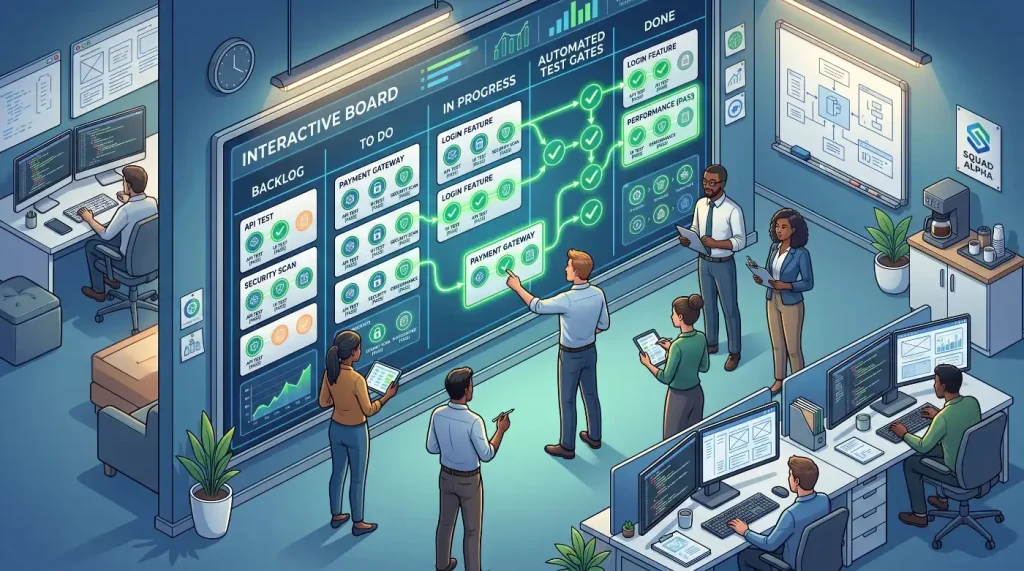
Enterprise software organizations frequently struggle to balance deployment speed with application stability. The adoption of Agile frameworks has pushed development teams to shorten iteration cycles. Engineering squads must now ship functional software increments every few weeks or even days. This accelerated pace exposes massive structural flaws in traditional quality control models. When testing remains an isolated phase at the end of a sprint, the entire delivery pipeline stalls. Software developers wait on bug reports, while testers struggle to validate complex features under tight deadlines. True agility requires shifting from a reactive verification mindset to an integrated strategy. Quality assurance must function as an active, continuous component of the development lifecycle. This comprehensive guide outlines the operational steps needed to embed QA seamlessly into your Agile workflow. The Core Bottlenecks of Isolated Software Testing Many organizations mistakenly believe they are running an Agile process while still practicing a segmented delivery model. In these environments, software developers write code for two weeks and then pass the completed build to a separate QA department. This structural division introduces immediate delivery friction. Relying on separate validation phases slows down feedback loops. When a tester discovers a logic flaw or a security gap days after the initial code was written, remediation costs rise significantly. The developer must stop current tasks, recall old code details, and attempt to fix the bug under immense pressure. This reactive cycle frequently leads to rushed patches and broken timelines. Furthermore, code-heavy automation practices amplify this bottleneck. Writing extensive custom code scripts for every new user story builds high levels of technical debt. When user interfaces or backend API formats change during a sprint, fragile test scripts break simultaneously. Engineering teams then spend more time debugging their test code than validating core product behavior. Structural Strategy for Agile Testing Alignment Overcoming delivery friction requires restructuring how quality professionals interact with the active development sprint. Testing activities must execute in parallel with feature creation from the first day of the iteration cycle. The complete software development timeline balances testing responsibilities evenly across every phase of the iteration. The continuous sequence begins with active collaboration during sprint planning sessions to outline explicit acceptance conditions. The build then moves directly into parallel execution paths where developers run unit validations while testers construct automated regression matrices. Finally, the thoroughly validated iteration enters the automated deployment pipeline to route safely into production infrastructure. Collaborative Sprint Planning Sessions Integrated quality control begins long before a developer writes a single line of feature code. Testing professionals must participate directly in initial backlog grooming and sprint planning sessions. During these meetings, testers analyze upcoming user stories to identify ambiguous requirements and logical contradictions. Addressing these issues early prevents development teams from building incorrect software behaviors. Defining Explicit Acceptance Criteria First Teams must detail explicit acceptance criteria using business-driven language before starting development. Quality analysts collaborate with product owners to convert user stories into verifiable conditions. This upfront definition gives developers a clear target for their coding efforts. It ensures that both the development squad and the testing team share an identical understanding of product success. Executing Testing Workflows in Parallel Developers and testers must work concurrently throughout the active sprint. While engineers construct code components in their local sandboxes, testers should simultaneously build out automated validation scenarios. This parallel workflow removes the traditional handoff bottleneck. It allows the team to validate small, functional code increments continuously as they merge into the main repository. To review modern web system architecture protocols and data structure guidelines, consult the World Wide Web Consortium web specifications. Resolving Agile Upkeep with Keyword Testing Agile product development cycles are inherently fluid. User interfaces, backend data models, and API configurations change constantly as teams respond to customer feedback. Traditional code-heavy test automation scripts cannot withstand this fast-paced change. They break repeatedly, forcing automation specialists to spend their sprints repairing old scripts rather than checking new features. A patented testing framework eliminates this operational bottleneck by completely separating functional test design from underlying code execution. The Keyword Automation Testing approach allows Agile teams to build stable, highly maintainable regression libraries that adapt instantly to code changes. The operational workflow establishes an efficient division of labor across the agile team. Non-technical business analysts and domain expert testers design comprehensive test sequences using clear business actions. They assemble validation paths using terms like “Process Digital Payment,” “Update Customer Profile,” or “Verify Shopping Cart” without writing code. This design tier connects directly to technical automation engineers who develop the reusable functional execution code for each Keyword exactly once. When a development team modifies a user interface element or an API schema during a sprint, the change remains contained. Engineers update the locator or code within that single Keyword component. The update instantly copies across every test path using that action throughout the entire organization. This structural modularization removes the need to rewrite hundreds of individual test cases manually. It drops your long-term maintenance overhead significantly, allowing your current staff to focus on expanding test coverage. Structuring the Continuous Agile Delivery Pipeline To achieve sustainable release velocities, automated Keyword libraries must connect directly with your continuous integration and continuous deployment pipelines. Automated routines should validate software health without requiring constant human intervention. The automated verification process coordinates testing activities evenly across both sides of the release event. Shifting left, code builds run through local developer checks and central continuous integration servers to validate system changes before deployment. Shifting right past the active release gate, the pipeline continues validation within production environments using canary rollouts, automated synthetic user journeys, and distributed infrastructure observability tools. Pre-Deployment Verification Loops (Shift-Left) The automated quality gate initiates the exact moment a developer delivers code to the repository. The central continuous integration server catches the build and runs the Keyword regression engine instantly. The framework runs targeted unit, integration, and security checks to identify code flaws early in the lifecycle. Catching defects early reduces remediation costs and keeps unstable code from ever reaching downstream staging environments.
Testing Legacy Desktop Software with Modern Automation

Enterprise technology environments frequently house an engineering paradox. While customer-facing teams build cloud-native applications, core business operations continue to rely on legacy desktop software. These established systems process complex internal records, manage manufacturing logistics, and drive secure on-premise transactional databases. Maintaining the quality of these thick-client platforms introduces extreme operational difficulty. Desktop apps do not utilize the standard HTML element tags common in modern web development. They rely on fixed operating system rendering engines and native desktop window controls. As a result, traditional test automation tools often struggle to interact with them reliably. Engineering departments frequently assume they must choose between slow, manual regression testing or high-risk system rewrites. Implementing a centralized, plain-language architecture resolves this friction completely. Modern automated Keyword tools allow teams to run stable testing routines against legacy desktop installations. The Hidden Upkeep of Brittle Desktop UI Selectors Traditional desktop automation practices frequently burden engineering teams with massive technical debt. Early automated systems interacted with applications by clicking on fixed pixel coordinates on a screen. This model fails completely when a desktop application scales across varied hardware setups or display resolutions. A minor interface alteration shifts the target buttons, causing entire test libraries to break. Modern programmatic frameworks attempted to solve coordinate issues by targeting native accessibility properties and system object identifiers. While this approach improves testing accuracy, it introduces a separate cycle of maintenance overhead. Thick-client platforms running on Windows or Linux environments often lack consistent, unique object IDs inside their legacy user interface controls. When a development team rolls out a security patch or updates a software library, underlying interface property values shift without warning. Automation engineers must then step away from expanding test scenarios to spend their working hours debugging fragile script properties. This technical barrier completely isolates non-technical business professionals. Business analysts and manual validation testers understand complex desktop workflows but cannot modify programmatic automation scripts. This structural division blocks fast software delivery and forces companies to increase technical headcounts. Architectural Challenges of Legacy System Environments Engineering squads manage three core architectural barriers when validating established desktop installations. Each operating tier requires specialized interaction patterns to preserve testing accuracy. Monolithic Executable Code Packages Unlike distributed cloud web apps, legacy desktop systems compile entire operational logic trees into massive, localized binary executable files. Testing engineers cannot easily peek inside these compiled binaries to monitor internal system variables or manipulate memory states during validation routines. Automated test suites must interact with the software externally, evaluating application behavior completely from the user interface down to backend storage layers. Complicated On-Premise Relational Databases Thick-client software generally maintains direct, long-lived connections to centralized database systems like Oracle or Microsoft SQL Server. Transactions execute via heavy SQL stored procedures embedded deep within the database tier rather than modern web service microservices. Test frameworks must validate that a visual window action updates database tables accurately without corrupting historical records or causing system lockouts. Distributed Thick-Client Integrations Enterprise desktop systems frequently link with varied third-party components, including localized file systems, barcode hardware scanners, and secure physical printing networks. Simulating these local peripheral interactions inside an automated script demands precise configuration management. Testing frameworks must coordinate system events smoothly across both the local desktop operating engine and the central network server. To discover more about modern global guidelines for computing systems and software reliability standards, consult the IEEE Computer Society guidelines. The Downside of Tool Lock-In and Closed Testing Frameworks Many enterprise organizations try to solve desktop automation challenges by purchasing proprietary, closed testing platforms from traditional enterprise vendors. These commercial tools use specialized, vendor-controlled script runners and custom database structures to execute tests. While these platforms can deliver short-term recording successes, they introduce major long-term structural risks. Proprietary testing tools require expensive user seat licenses that escalate your software budget quickly as teams grow. The test assets created are locked inside custom file formats that cannot run outside the vendor’s application shell. This lock-in prevents engineering teams from customizing automated execution or integrating natively with open developer ecosystems. If the vendor pauses product updates or fails to match new operating system upgrades, your entire quality infrastructure becomes obsolete. Enterprises can avoid these platform traps by focusing on open architectures that preserve historical technology choices. Explaining the Mechanics of Plain-Language Keyword Frameworks A patented Keyword Architecture addresses thick-client testing complexity by completely separating the functional design of a test case from its underlying driver execution code. Instead of reading lines of programmatic scripting code, a test case appears as a logical sequence of human-readable, reusable business actions. The operational pipeline splits the automated testing workload into two separate working tiers. The presentation layer displays high-level Keywords using clear business actions. Non-technical staff combine terms like “Open Document,” “Process Invoice Entry,” or “Print Reconciliation Report” to build realistic end-to-end checkout scenarios. The implementation layer operates entirely beneath the surface of the plain-language Keywords. Technical automation engineers develop the functional execution script for each Keyword exactly once. This hidden code maps the Keyword directly to specific terminal elements, page drivers, database tables, or backend API components. How Keywords Standardize Legacy Desktop Configurations The primary benefit of a centralized Keyword framework is its ability to use identical business logic concepts to control entirely different operational technologies. The platform hides platform-specific driver libraries beneath a unified user experience layer. Consider an enterprise record validation transaction that must execute identically across an old Windows client application, a responsive web portal, and a backend data service layer. In a traditional scripting model, engineers must write three distinct code scripts using different open-source libraries. With a unified Keyword architecture, the test designer uses a single phrase like “Verify Account Record” across all environments. The central engine dynamically shifts the underlying technical driver based on the active target platform. If a backend developer modifies a local user interface component or an API schema, the change remains contained. Engineers update the locator within that single Keyword definition, and the entire multi-platform testing library updates automatically across the enterprise. Eliminating Maintenance
5 Signs Your Test Automation Framework Is Obsolete

Software engineering moves faster every single day. Teams push updates multiple times an hour instead of once a quarter. This speed puts immense pressure on quality assurance teams. To keep pace, organizations rely heavily on test automation. Yet, many teams are shocked to find their automation actually slows them down. They built frameworks years ago using what were then cutting-edge practices. Today, those same frameworks act as bottlenecks. An outdated framework does worse than leak bugs into production. It drains engineering hours, lowers team morale, and kills release velocity. Technology evolves, and testing strategies must evolve alongside it. Recognizing when your QA infrastructure has passed its expiration date is critical. Look for these five definitive signs that your test automation framework is obsolete. 1. Automated Scripts Require Constant Manual Maintenance Automation exists to save time. It should run quietly in the background and flag real defects. If your engineers spend every morning fixing broken test scripts, your framework is failing. This issue typically stems from tight coupling. Early automation models tied test scripts directly to specific application code or brittle user interface locators. A minor layout change, like shifting a button three pixels or changing a CSS class name, breaks the entire test suite. The result is a frustrating phenomenon known as test flakiness. False positives become the norm. Engineers stop trusting the test results. They spend hours investigating failures, only to find the application works perfectly but the test script broke. When maintenance hours surpass the time saved by running the automation, the framework is obsolete. Modern systems separate the test logic from the underlying technical execution. This separation ensures that a minor UI update does not destroy your entire regression library. 2. Manual Testers are Completely Excluded from Automation Your manual testers and business analysts possess deep product knowledge. They understand how customers interact with the software. They know where edge cases hide and how business workflows function. If your automation framework requires advanced coding skills to write a single test case, you isolate these valuable domain experts. They are forced to hand off their test plans to a separate team of automation engineers. This handoff creates an immediate communication bottleneck. Automation engineers write code based on written requirements but often lack full business context. Misunderstandings lead to poorly targeted automated tests. Meanwhile, manual testers remain stuck executing repetitive tasks by hand because they cannot contribute to the automation codebase. An effective QA strategy requires collaboration. If your framework acts as a barrier rather than a bridge, it is outdated. Modern strategies leverage low-code or Keyword-driven methodologies. This allows non-technical domain experts to build, configure, and execute automated test suites without writing lines of code. 3. Test Suites Take Too Long to Execute Early automation frameworks ran sequentially. One test case finished, and the next one started. This model worked when test suites were small and deployments happened monthly. In a modern continuous integration and continuous deployment pipeline, speed is everything. Developers need feedback within minutes of committing code. If your regression suite takes four hours, six hours, or an overnight run to complete, it cannot support rapid deployment. Slow execution times force teams to make dangerous compromises. They skip tests to meet deadlines. They run smaller, incomplete test sets. This guessing game increases the risk of critical defects slipping into production environments. Obsolete frameworks struggle to scale. They cannot distribute tests across multiple machines or cloud containers simultaneously. Modern software quality assurance demands parallel execution. Your automated suite should scale dynamically to provide comprehensive feedback during a standard coffee break. 4. The Framework Fails to Support Modern Cross-Platform Architectures Years ago, testing a web application on a single desktop browser was sufficient. Today, the software ecosystem is highly fragmented. A single user journey might start on a mobile app, require an API validation, update a desktop browser portal, and sync with a legacy backend database. If your framework only handles web UIs, it leaves massive blind spots across your digital ecosystem. Many legacy frameworks are siloed. Teams end up using one tool for mobile testing, another for APIs, and a third for desktop applications. This tool sprawl creates massive fragmentation. Test data cannot flow between platforms, making true end-to-end testing impossible. If your team must manually stitch together results from four different testing tools to verify a single business transaction, your architecture is obsolete. Organizations require a unified framework that spans the entire technology stack seamlessly. 5. High Total Cost of Ownership Yields Diminishing Returns Every enterprise asset must deliver a clear return on investment. Test automation is an investment in speed and software quality. However, legacy frameworks often turn into expensive money pits. Calculate the full cost of your current QA operation. Factor in the salaries of specialized automation engineers who do nothing but maintain old scripts. Add the licensing fees for proprietary, legacy testing software. Include the cost of infrastructure required to host these heavy tools. Now, look at the value returned. Are you deploying software faster than last year? Are production defects dropping? If costs are rising while test coverage flatlines and production escapes increase, your framework has failed. Obsolescence happens slowly, then all at once. The framework becomes so heavy, brittle, and expensive that it actively prevents your business from innovating. The Root Cause of Automation Decay Frameworks do not become obsolete overnight. They decay due to architectural choices. Many teams build custom frameworks on top of basic open-source libraries without a long-term architectural plan. Over time, developers add custom wrappers, patch fixes, and unique workarounds. The framework becomes a highly complex, undocumented web of code. When the original engineers leave the company, nobody else understands how the testing architecture works. The team becomes afraid to modify the framework, fearing they will break the entire testing pipeline. Relying on old frameworks leaves your organization vulnerable. Competitors utilizing modern testing methodologies will outpace your development cycles. They will ship features faster and with fewer bugs, leaving your business behind. The Path to Modernization
Keyword Automation: Bridge QA Gaps Effectively

Software development moves faster every day. Engineering teams struggle to keep up with rapid deployment cycles. Continuous delivery demands rapid, repeatable verification. Traditional QA practices often fail to meet this demand. Manual testing is too slow for modern sprint cycles. Scripted test automation introduces high maintenance overhead. Many organizations find themselves trapped in a difficult cycle. Manual testers possess deep domain knowledge but lack coding skills. Automation engineers understand the code but often miss real-world business context. This separation creates a significant bottleneck in software quality assurance. Keyword automation testing solves this fundamental challenge. The methodology acts as a functional bridge. It connects the domain expertise of manual testers with the technical capabilities of automation engineers. The framework changes how enterprise teams collaborate, scale, and deliver software. The Core Conflict in Modern Software Quality Assurance Most QA teams operate with a visible divide. On one side are the domain experts. These are the manual testers and business analysts. They understand how users interact with the software. They know where edge cases hide and what business rules apply. However, they cannot write the Python, Java, or JavaScript required for automated scripts. On the other side are the automation engineers. They write complex code to interact with application elements. However, they are often disconnected from daily business logic. They spend hours fixing broken scripts instead of focusing on test coverage. This division introduces a high cost. Manual testing cannot scale across desktop, mobile, and API layers for every single build. Scripted automation becomes brittle. A minor user interface update can break hundreds of technical scripts. The engineering team ends up trapped in a cycle of continuous script maintenance. Understanding Keyword Automation Testing Keyword software automation testing changes this dynamic entirely. The methodology separates test design from technical implementation. Instead of writing complex programming scripts, teams build a library of plain-language building blocks. These building blocks are called Keywords. Keywords represent specific business actions. Examples include “Submit Order,” “Validate User Login,” or “Generate Report.” These words describe what the application does, not how the code executes the action. SDT pioneered and patented this precise approach. The unique methodology from SDT Corp decouples the underlying technical framework from daily test case creation. This structural separation enables parallel work streams. It allows everyone to contribute to quality using their specific strengths. How the Unified Framework Functions The Keyword software test automation framework relies on a distinct, roles-based structure. Four separate pillars work together to create a reliable regression library. The Test Designer Test designers are the manual testers, domain experts, and business analysts. They do not write code. Instead, they construct sophisticated test cases using the existing keyword library. They focus entirely on business logic, test coverage, and real user flows. The Automation Engineer Automation engineers write the underlying code that powers each keyword. They map application objects, user interfaces, and backend APIs to plain-language actions. They implement the code for a Keyword exactly once. When the underlying software application changes, engineers do not rewrite hundreds of test cases. They simply update the single affected keyword. The change automatically populates across the entire testing suite. The Test Executor Test executors manage test execution mechanics. They assemble specific test sets from the library and trigger regression runs. They review execution results and analyze system failures. They do not need technical coding knowledge to run the system or interpret results. The Administrator Administrators manage the framework infrastructure. They control user access, maintain the keyword database, and oversee integration points. They ensure the entire system stays optimized as the software environment evolves. Bridging the Gap Between Manual and Automated Teams Traditional automated testing excludes manual testers. Keyword test automation actively invites them into the automation process. The framework utilizes their deep domain knowledge without demanding a computer science degree. Manual testers use plain-language building blocks to create automated tests immediately. They drag, drop, and configure keywords to build end-to-end testing scenarios. The shift turns traditional manual testers into highly productive test designers. They no longer wait for a technical engineering backlog to clear. At the same time, the framework frees up specialized automation engineers. Instead of writing repetitive test scripts, they focus on building high-quality, reusable keywords. A small team of five automation engineers can successfully support 50 to 100 manual testers. This ratio allows organizations to scale coverage without adding expensive technical headcount. Measurable Enterprise Value and Return on Investment Implementing a modular, Keyword-driven testing framework produces clear economic benefits. Organizations move away from reactive bug hunting toward predictable quality engineering. Drastic Reductions in Maintenance Time Traditional test automation projects frequently fail due to high maintenance costs. When software user interfaces change, scripted automation breaks. Teams spend days diagnosing code issues. With Keyword frameworks, changes stay isolated. If an engineering team moves a button on a web page, an automation engineer updates one keyword. The rest of the library remains completely intact. This structure reduces test design and automation time by roughly 50 percent. Accelerated Release Velocity The Keyword regression library integrates directly into continuous integration and continuous deployment pipelines.Automated tests run on every single build without human intervention. This continuous feedback loop allows teams to find defects early in the development lifecycle. Organizations can release updates with total confidence, significantly shortening delivery cycles. No Vendor or Tool Lock-In The market offers many proprietary QA tools, but they often restrict flexibility. The architecture designed by SDT features an open layout. It integrates smoothly with tools you already use, such as Selenium, Robot Framework, and JMeter. Your organization preserves its existing software investments. If better open-source tools emerge in the future, the framework adapts without requiring you to rebuild your test asset library. Comprehensive Stack Coverage Enterprise environments rarely run on a single technology. Software stacks often combine modern cloud-native APIs, mobile frontends, web applications, and legacy mainframe systems. A unified Keyword framework handles this diversity easily. A single plain-language test case can validate an API layer, check a web portal, and verify a mobile app action.
The Major Benefits of Keyword-Driven Test Automation

Software development moves at a relentless pace. To stay ahead, companies must release high-quality code faster than ever. However, traditional manual testing is too slow. Many organizations try to solve this with script-based automation. Unfortunately, scripts are often brittle and require expensive coding talent to maintain. Keyword-driven test automation offers a superior alternative. It separates the “what” of a test from the “how” of its execution. This creates a flexible, scalable, and easy-to-use testing environment. At Software Development Technologies (SDT), we have perfected this methodology through our patented Keyword Test Automation framework. Here is a comprehensive look at how this approach transforms the Quality Assurance (QA) landscape. Lowering the Technical Barrier to Entry Traditional automation requires testers to be proficient in programming languages like Python, Java, or C#. Finding and hiring these “SDETs” (Software Development Engineers in Test) is difficult and expensive. Keyword-driven testing changes the requirement. It uses plain-language “keywords” to represent complex actions. For example, a tester might use the Keyword “Login” instead of writing ten lines of code to find elements and enter data. This allows your existing manual testers and business analysts to contribute to the automation suite. They understand the business logic of the software better than anyone. By giving them a tool that doesn’t require deep coding knowledge, you empower your entire team to participate in quality. This is a core part of the SDT Advantage. Drastic Reduction in Maintenance Costs The biggest “hidden cost” in automation is maintenance. In script-based systems, every minor UI change can break hundreds of tests. If a developer moves a “Submit” button, a coder must manually update every script that interacts with that button. In a Keyword-driven framework, the test logic is separated from the technical details. You only have to update the “Keyword” or the object map once. That single change automatically updates every test case in your library. This centralized maintenance can reduce your QA overhead by up to 80%. It prevents “maintenance debt,” where your team spends more time fixing old tests than creating new ones. At SDT, our patented framework is designed specifically to handle these enterprise-scale maintenance challenges. Accelerated Time-to-Market In 2026, being first to market is everything. If your testing cycle takes two weeks, you are already behind. Keyword-driven testing allows for “Parallel Test Development.” Testers can start building automated test cases as soon as the requirements are drafted. They don’t need to wait for the final code to be finished. By using pre-defined keywords, they map out the user journey in advance. Once the developers deliver the code, the tests are ready to run instantly. This significantly shortens the feedback loop and gets products into customers’ hands faster. You can see this in action in our case studies. Improved Collaboration and Transparency When tests are written in code, they are a “black box” to everyone except the engineers. Business stakeholders and product owners have no idea what is actually being tested. Keywords are readable by everyone. A product manager can look at a test case and verify that it covers the necessary business requirements. This transparency builds trust across the organization. It ensures that the QA team and the development team are always aligned with the company’s goals. Good communication is vital for testing services in Agile and DevOps environments. When everyone speaks the same language, bugs are found and fixed much faster. Massive Scalability Across Platforms Modern applications don’t live in a vacuum. They run on web browsers, mobile devices, and desktop platforms. Your testing must cover all of them. Keyword-driven testing is inherently cross-platform. Because the Keywords are abstract, you can use the same “Login” Keyword for your iOS app, your Android app, and your web portal. Our framework supports a wide variety of product platforms. This consistency ensures a seamless user experience across the entire digital landscape. Whether your software is a cloud-native microservice or a legacy desktop application, keywords can handle the scale. High Reusability of Test Assets In traditional testing, you often find yourself “reinventing the wheel.” You write the same login logic or checkout sequence for twenty different test cases. Keywords are reusable blocks. Once you define a “Search_Product” Keyword, you can use it in every test that requires a search. Over time, you build a massive library of these building blocks. Creating a new test case becomes as simple as dragging and dropping existing Keywords into a new sequence. This reusability makes your testing suite more valuable the longer you use it. It is an investment that grows over time, rather than a cost that depreciates. Enhanced Precision and Reduced Human Error Manual testing is prone to fatigue. A human tester might miss a small visual glitch or skip a step after five hours of repetitive work. Automated Keywords never get tired. They perform the exact same action with the exact same precision every single time. This consistency is vital for industries with strict regulatory requirements, such as finance or healthcare. We serve many high-stakes industries where accuracy is a matter of compliance and safety. For these organizations, the repeatable nature of our patented Keyword Automation Testing is a critical asset. Facilitating the “Shift Left” Mentality “Shift Left” refers to testing earlier in the development process. The sooner you find a bug, the cheaper it is to fix. Because Keywords are easy to write and run, they can be integrated directly into the development workflow. Developers can run a suite of Keywords on their own machines before they even “commit” their code. This prevents “broken builds” and ensures that the codebase remains healthy at every step. Research from the National Institute of Standards and Technology (NIST) has consistently shown that fixing a bug in production can be 30 times more expensive than fixing it during the design or development phase. Better ROI for Performance and Regression Testing Regression testing is the process of checking old features every time you add something new. It is the most repetitive and boring part of QA. Keywords